Last checked: June 10, 2026
Disclosure: This guide to Best Areas to Stay Near Incheon Airport Before an Early Flight was independently reviewed by KR Guide Info using official and provider information. Clearly marked affiliate links may earn us a commission at no extra cost to you; official-source links are not monetized, and partners had no editorial control.
Quick answer
Stay near Incheon Airport before an early flight when the cost of a missed train, long taxi ride, or stressful morning is higher than the extra hotel move. Choose the area by terminal access, shuttle availability, luggage, and your departure time.
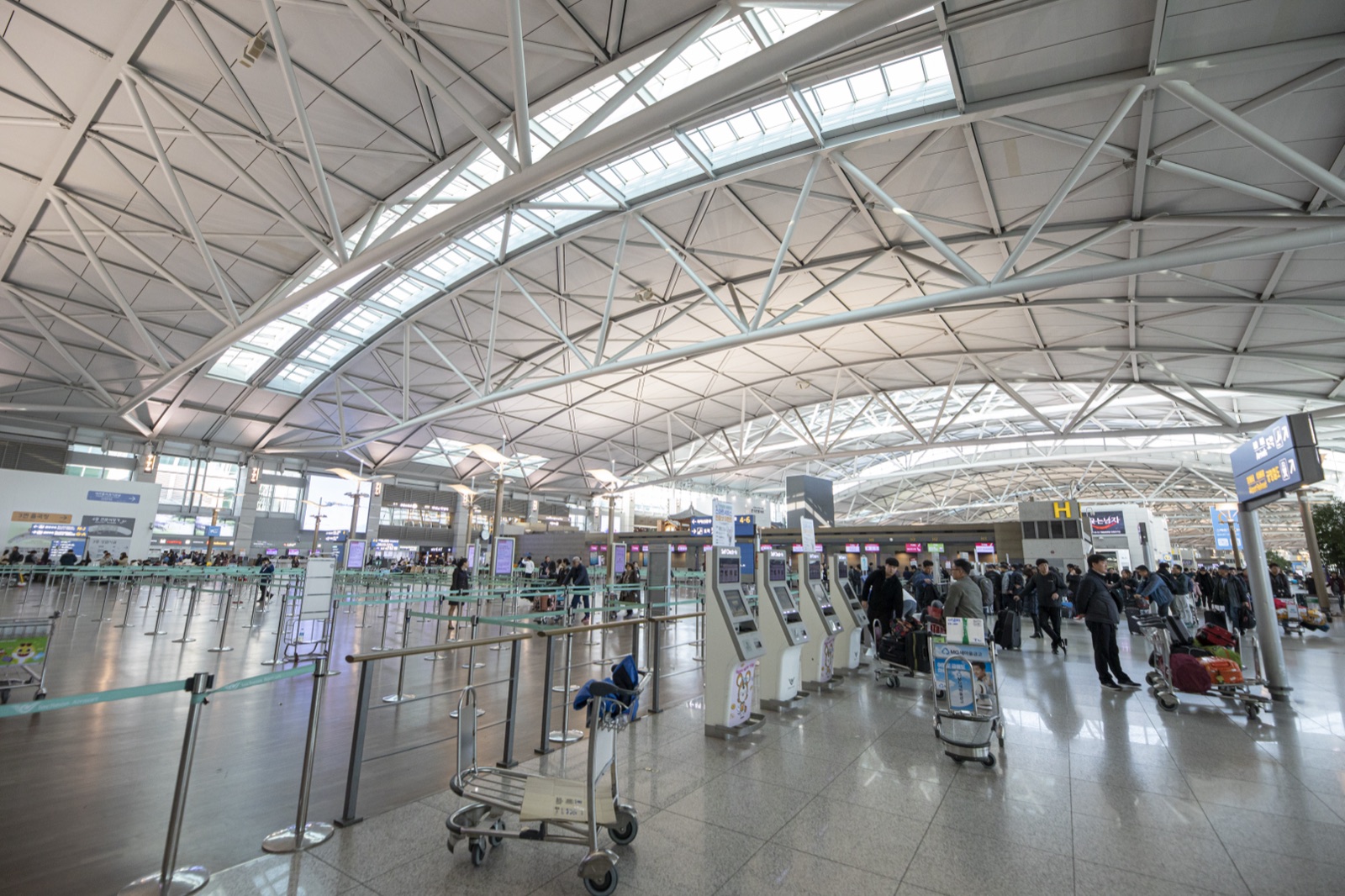

Quick answer: For an early flight, prioritize transfer reliability over sightseeing. Airport-adjacent hotels, Unseo, and airport rail areas can reduce morning stress.
Who this guide is for: Travelers with early departures, late arrivals, long layovers, or family/luggage-heavy airport plans.
Staying near Incheon Airport can be a smart move, but only when it solves a real travel problem. The mistake is assuming that an airport-area hotel is automatically the best option whenever a flight is early.
The right choice depends on how much stress the airport move would otherwise create and how much useful time you would lose by relocating too soon.
When an airport-area stay is actually worth it
An airport-area stay is most useful when you have a very early departure, a late arrival that makes a city transfer feel excessive, or a route that would otherwise create unnecessary fatigue at the start or end of the trip.
If the airport transfer from Seoul is already simple and your schedule is not especially tight, moving closer to the airport may offer less value than it first appears.
Travel situations where it helps the most
- Very early morning international departures
- Late arrivals when you do not want a long city transfer
- Trips with heavy luggage and low arrival energy
- Overnight resets before another flight or long move
- Itineraries where airport timing matters more than city atmosphere
In those cases, convenience can matter more than atmosphere.
When staying in Seoul is still the stronger choice
If you still have useful city time, an easy airport route, and enough buffer before departure, staying in Seoul may give you a better final day overall. Airport convenience should solve a problem, not create an unnecessary hotel change.
The smoother choice is the one that supports the actual shape of your trip, not the one that simply looks nearest on a map.
What travelers often misjudge here
The usual mistake is focusing only on map distance. The better comparison is total friction: hotel move, luggage handling, airport route clarity, and how much useful time you gain or lose by sleeping closer to the airport.
That is what determines whether an airport-area stay is truly worth it. In practice, the calmer option is not always the geographically closest option.
The best airport-stay rule for first-time visitors
Stay near Incheon Airport when it clearly protects sleep, timing, or energy. If it does not solve one of those three things, staying in Seoul is often still the better choice.
Good airport planning is usually about reducing total friction, not minimizing distance alone.
How this advice fits into your overall Korea planning
Best Areas to Stay Near Incheon Airport Before an Early Flight works best when you use it to make one or two major decisions early instead of collecting endless possibilities. Planning guidance is most valuable when it simplifies the route, the hotel base, or the first-day setup. Once one of those things becomes clearer, many other decisions become easier automatically.
What a realistic first-time traveler should optimize for
- Prioritize one strong hotel base over several weak hotel moves
- Leave room for meals, weather changes, and energy drops
- Use planning to remove uncertainty, not to create a rigid schedule
- Decide the trip structure before collecting too many attractions
How KR Guide Info checked this guide
This guide was reviewed as a practical Incheon Airport early-flight hotel choice guide for foreign visitors, with the goal of reducing real travel friction rather than adding generic destination description.
- compared airport-area bases by wake-up time, shuttle/taxi reliability, luggage, terminal access, and late arrival stress
- kept the advice focused on protecting the flight rather than choosing the most interesting neighborhood
- retained reminders to confirm shuttle hours and terminal-specific details before booking
Official sources
Related KR Guide Info guides
Update log
- June 10, 2026: Added review-focused trust sections, current official source links, related internal guides, and this update log for AdSense readiness.
Decide whether an airport hotel actually buys useful time
An early-flight hotel is worthwhile when it reduces a fragile pre-dawn transfer. It is less useful when the property name says “airport” but still requires a taxi, shuttle reservation, or long terminal transfer.
| Departure situation | Stay strategy | Verify before booking |
|---|---|---|
| Very early international flight | Terminal-connected or proven early shuttle option | First shuttle time, terminal served, reservation rule |
| Morning flight with AREX operating | Compare airport area with a station-area hotel | First train and realistic baggage walking time |
| Late arrival before next-day flight | Prioritize 24-hour reception and simple transfer | Late check-in cutoff and taxi pickup instructions |
| Family or heavy luggage | Reduce transfers even if room cost is higher | Elevator, room occupancy, shuttle luggage capacity |
Calculate the real cost
Add the hotel price, taxi or shuttle cost, lost breakfast, and the risk of missing the first transport. A cheaper remote hotel can be more expensive if it requires two vehicles or a pre-dawn taxi.
Booking checkpoint: confirm the terminal number with your airline and then verify the hotel’s latest shuttle timetable directly. Airport operating arrangements can change faster than an accommodation listing.
FAQ
Is it worth staying near Incheon Airport before an early flight?
It can be worth it if your flight is very early, you have children, heavy luggage, or want to reduce transfer risk.
Is Unseo a practical airport hotel area?
Unseo can be practical, but always confirm transfer time and shuttle or train details.
Should I sleep in Seoul and take the first train?
That can work, but check first departure times, terminal recommendations, luggage, and taxi backup options.