Last checked: June 10, 2026
Quick answer
T-money is still one of the simplest tools for tourists because it works across most subway and bus rides and removes small payment friction. Buy or load it early, keep cash or a card backup, and check balance before long transfer days.
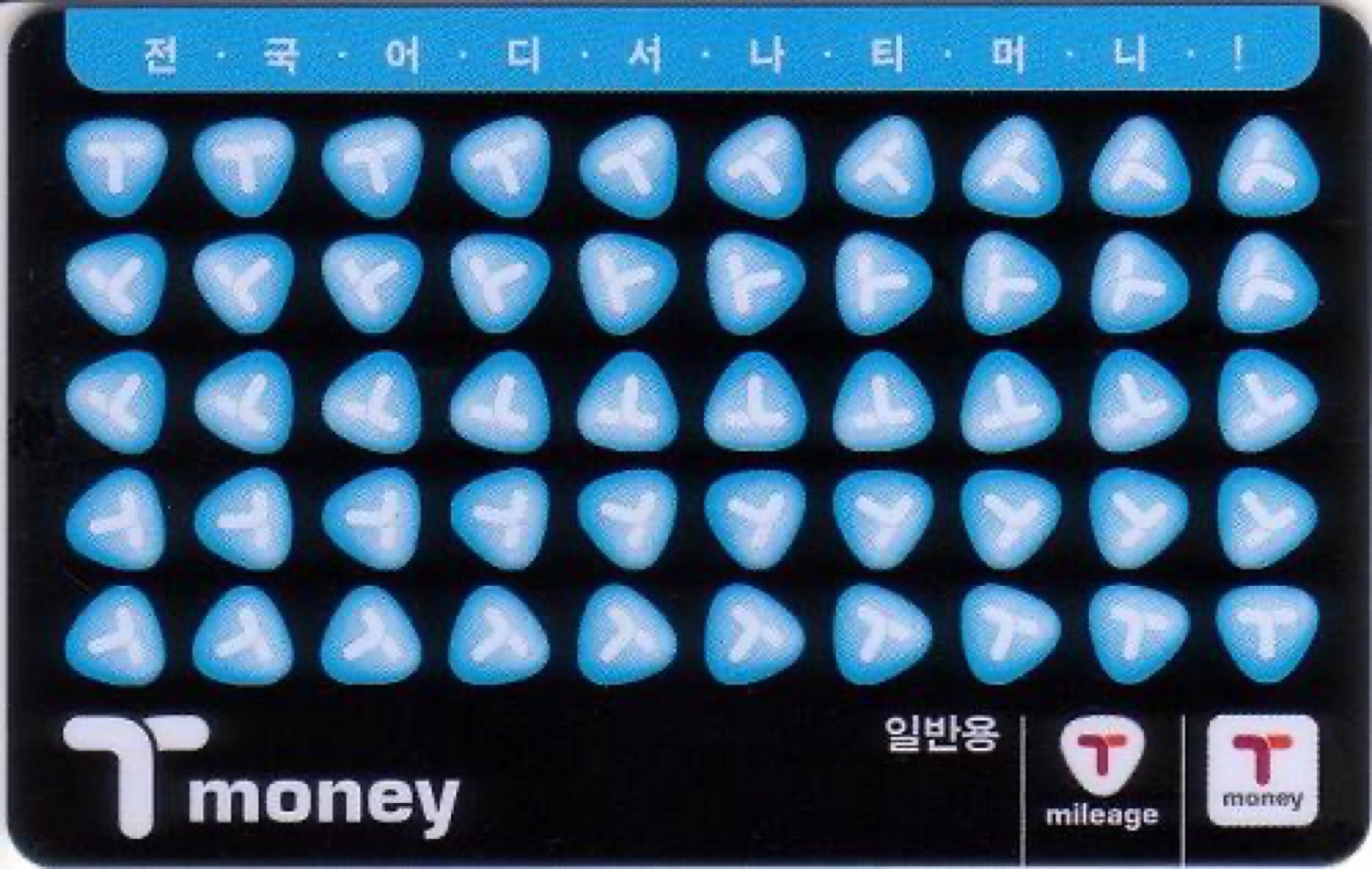

Why T-money matters on a practical Korea trip
T-money matters because it removes repetitive ticket friction and helps local transport feel more consistent. That is especially valuable on a first trip, when maps, station exits, payment habits, and timing already require attention. The fewer small decisions you repeat, the easier the whole city feels.
It is less about mastering a local system and more about building one reliable transport habit early.
When tourists get the most value from it
- Trips with regular subway and bus use
- City-based itineraries with multiple short transport legs
- Arrival days when you want one simple local method early
- Visitors who prefer a stable routine instead of solving each ride separately
If the trip is very short and mostly taxi-based, the value may be smaller. For most first-time visitors, though, it still improves the daily rhythm quickly.
What it does better than buying each ride separately
T-money makes the transport part of the trip feel lighter. Instead of deciding how to pay every time you enter a new movement segment, you use one local tool and keep going. That consistency matters more than many visitors expect because the stress of a trip rarely comes from one big failure. It usually comes from many small repeated points of friction.
Once the basics are set, local transport feels less like a task and more like part of the day.
How it fits with the rest of your transport setup
T-money is not a replacement for route planning. It works best when paired with a clear sense of how you are using subways and buses in the first place. That is why it pairs naturally with the Korea public transport guide.
It is a practical support tool, not the whole system. If the route itself is confusing, T-money will not fix that. But if the route is clear, it removes one more layer of hesitation.
The simplest T-money rule for first-time travelers
If public transport is part of your trip, sort out T-money early and keep the rest of your movement decisions simple. That is why it remains one of the most useful low-friction tools for visitors in Korea.
A steady transport habit often improves the whole trip more than travelers expect.
Official sources
Related KR Guide Info guides
- How To Use Public Transport In Korea
- Korea SIM, eSIM, T-Money, And Payment Guide
- How to Use Seoul Buses
How KR Guide Info checked this guide
This guide was reviewed by the KR Guide Info editorial team for T-money card usage. We checked local transport use cases, airport/station setup flow, recharge limitations, and traveler payment mistakes before updating the article, then focused the advice on practical decisions a first-time foreign visitor is likely to make on the ground.
T-money mistakes to avoid on your first two days
T-money is simple after you start using it, but first-time visitors often misunderstand where it fits in the travel system.
| Mistake | What to do instead |
|---|---|
| Expecting T-money to book KTX or intercity buses | Use official rail/bus booking channels for long-distance travel. |
| Buying the card but forgetting recharge cash | Keep small cash available, especially early in the trip. |
| Using one card for multiple people at subway gates | Prepare one card per traveler for normal gate use. |
| Waiting until a bus arrives to check balance | Recharge before the next transfer-heavy day. |
When T-money is not enough
T-money is a local movement tool, not a full travel wallet. Keep it separate from long-distance planning, hotel payment, and emergency backup money.
- KTX and long-distance rail: book through rail channels or station ticketing, not T-money gates.
- Intercity/express buses: check the correct booking or terminal payment method before travel day.
- Taxis: payment options are usually broad, but keep a backup card or cash in case a terminal has trouble.
- Airport arrival: set up T-money early if you will use subway or buses soon after landing.
Related KR Guide Info guides
- How To Use Public Transport In Korea
- Busan Subway T Money Guide Foreign Travelers
- Foreign Card Payments In Korea What To Expect
Update log
Pair T-money with payment backup planning
T-money solves many transport moments, but visitors still need realistic card and small-purchase expectations.
- Foreign card payments in Korea — prepare for card acceptance and fallback situations
- Korea convenience store guide for travelers — understand small purchases, reload-adjacent errands, and late-night basics
- Korea SIM, eSIM, T-Money, and payment guide — connect transport, data, and payment setup
A practical T-money setup that avoids first-day friction
T-money works best as a dedicated local transport tool, not as a replacement for every payment method. Buy one card per traveler, load a modest starting balance, and keep a separate bank-card and cash backup.
| Trip pattern | Starting approach | When to reload |
|---|---|---|
| Seoul-only short stay | Start with a moderate balance rather than overloading | After checking the first two days of subway and bus use |
| Seoul plus Busan | Use the same card where accepted | Before an intercity transfer day with multiple local rides |
| Family or group | Give each rider a separate card | Reload individually so one lost card does not hold the group’s full balance |
| Late-night arrival | Buy and load the card before leaving the airport transport area when possible | Do not rely on finding an open convenience store after the last transfer |
Before the last day
Do not keep adding a large balance near departure. Estimate the airport trip and one backup ride, then retain a small margin. Refund rules, fees, and available refund locations can change, so confirm current terms at the point of sale rather than assuming the full balance can always be recovered easily.
What we checked: this decision flow focuses on card purchase, cash loading, one-card-per-person use, transfer practicality, and end-of-trip balance risk. It does not treat a tourist payment card as automatically better than standard T-money.
FAQ
Can tourists use T-money in Korea?
Yes, T-money is widely used by visitors for public transport. Check current card types, reload methods, and refund rules.
Can I use T-money for both subway and buses?
It is commonly used for subway and bus travel, which makes transfers easier.
Should I keep extra balance on the card?
Yes. A small buffer helps avoid delays at gates, buses, or transfer points.